The Complete Guide to Using Manokamna Dhoop Cones in Hindu Rituals & Daily Life

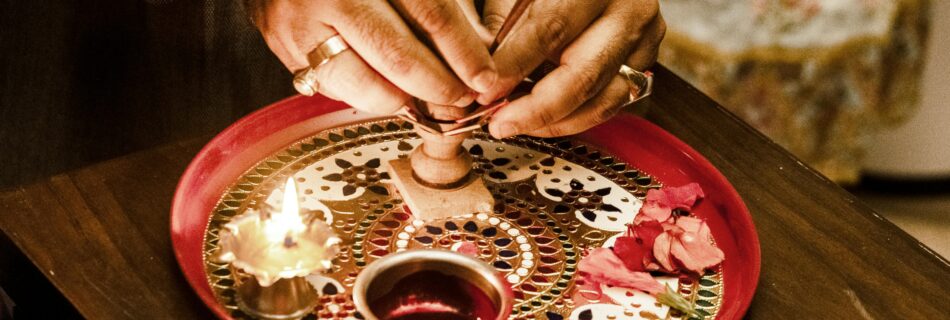
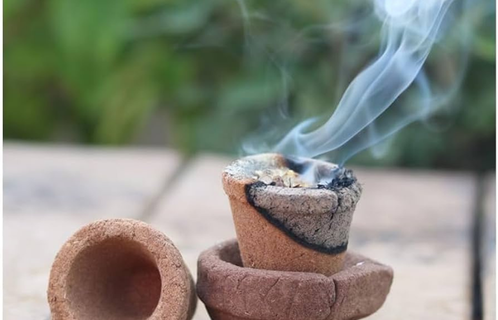
ЁЯМ╝ IntroductionIn the sacred rituals of Hinduism, fragrance plays a vital role in connecting the devotee with the divine. Among the many incense options, Manokamna Dhoop Cones have gained immense popularity for their natural ingredients, traditional blends, and calming aromas. Whether you’re performing a daily pooja, meditating, or simply creating a peaceful space at home, this guide will show you how to make the most of Manokamna dhoop cones in your spiritual and everyday life. ЁЯкФ What Makes Manokamna Dhoop Cones Unique?Manokamna dhoop cones are: ЁЯМ╕ Made from fresh flowers, herbs, resins, and essential oils ЁЯМ┐ Charcoal-free and eco-friendly ЁЯСР Handcrafted using traditional Ayurvedic methods ЁЯЗоЁЯЗ│ Proudly made in India Each cone is designed to purify the atmosphere, uplift your mood, and enhance spiritual practices. ЁЯЩП Role of Dhoop in Hindu RitualsIn Hindu rituals, burning incense is more than just fragranceтАФit’s an offering. Dhoop smoke is believed to: Cleanse negative energies Create a sacred, inviting environment for deities Act as a medium to carry prayers to the divine Manokamna cones are ideal for: Daily pooja & aarti Festival worship Temple rituals & home havans Personal meditation and yoga practices ЁЯФе How to Use Manokamna Dhoop Cones (Step-by-Step)Choose Your ScentChandan (Sandalwood) тАУ Meditation & peace Place in a Safe HolderUse a Stand to hold the cone securely. Ignite the TipLight the top until it flames. Let it burn for 10тАУ15 seconds. Blow Out GentlyThe tip should glow red and release fragrant smoke. Offer or MeditateLet the cone burn fully during pooja, yoga, or mindfulness sessions. ЁЯХЙя╕П When to Use Manokamna Dhoop ConesMorning Pooja тАУ Begin your day with positivity Evening Wind-Down тАУ Clear stress and calm the mind Before Meditation/Yoga тАУ Prepare your mind and energy During Cleaning or Decluttering тАУ Energetic refresh Before Guests Arrive тАУ Create a welcoming, sacred space ЁЯТа Benefits of Manokamna Dhoop ConesтЬФя╕П Purifies air and removes negativity тЬФя╕П Creates a peaceful, spiritual atmosphere тЬФя╕П Enhances concentration and clarity тЬФя╕П Safe for daily indoor use тЬФя╕П Adds authenticity to devotional practices ┬а ┬а

Why Does Agarbatti Make the Perfect Spiritual Gift for Any Occasion?

In a world where thoughtful and meaningful gifts have taken center stage, spiritual gifts hold a unique charm. They not only express your good intentions but also foster a sense of calm, positivity, and spirituality. Among the many options available, agarbatti (incense sticks) stands out as a timeless and versatile spiritual gift. Whether itтАЩs for a housewarming ceremony, a festival, or simply to convey best wishes, gifting agarbatti is a gesture filled with warmth and tradition. LetтАЩs explore why agarbatti makes the perfect spiritual gift for any occasion. 1. Rich Cultural and Spiritual Significance Agarbatti has been an integral part of spiritual practices across cultures, particularly in India. From temples to meditation spaces, the gentle fragrance of agarbatti is believed to purify the environment and create a serene ambiance. Gifting incense sticks is a thoughtful way of honoring these traditions and helping recipients connect with their spiritual side. 2. Symbol of Positivity and Peace The aromatic smoke from agarbatti is often associated with positive energy and peace. It helps cleanse the space of negative vibes and fosters an atmosphere of calm. By gifting agarbatti, you are essentially offering peace, tranquility, and a tool for spiritual upliftmentтАФsomething everyone can appreciate in todayтАЩs fast-paced world. 3. Ideal for Meditation and Relaxation Agarbatti is a popular companion for meditation, yoga, and relaxation practices. The soothing fragrances help calm the mind, enhance concentration, and elevate spiritual experiences. For friends or family members who practice mindfulness or are seeking inner peace, a beautifully packaged set of agarbatti makes for a thoughtful and practical gift. 4. Suitable for All Occasions Agarbatti is a versatile gift that suits a wide range of occasionsтАФbe it festivals like Diwali and Navratri, housewarming ceremonies, weddings, or birthdays. Its universal appeal ensures that it resonates with people of all ages and backgrounds. Additionally, it can be paired with other spiritual items like diyas, puja thalis, or spiritual books to create a customized gift set. 5. Diverse Fragrance Options One of the delightful aspects of agarbatti is the wide variety of fragrances available. From floral scents like jasmine and rose to earthy fragrances like sandalwood, thereтАЩs an aroma for every preference. This variety allows you to personalize your gift based on the recipientтАЩs tastes, making it even more special. 6. Eco-Friendly and Sustainable Choice Many agarbatti manufacturers today prioritize eco-friendly production methods, using natural ingredients like herbs, essential oils, and organic bamboo sticks. Choosing such products as gifts aligns with the growing consciousness toward sustainability and environmental care. ItтАЩs a gesture that reflects thoughtfulness and social responsibility. 7. Beautiful Presentation and Packaging Modern agarbatti sets often come in aesthetically pleasing packaging, making them a visually appealing gift. Some premium brands even offer handcrafted boxes and unique gift sets that add a touch of elegance. This beautiful presentation enhances the gifting experience and leaves a lasting impression on the recipient. 8. Affordable Yet Meaningful Agarbatti is a budget-friendly gift that doesnтАЩt compromise on meaning or impact. ItтАЩs an excellent choice for those looking to give a thoughtful gift without breaking the bank. Despite its affordability, it carries immense symbolic value, making it a cherished present. 9. Encourages Spiritual Practices Gifting agarbatti subtly encourages the recipient to engage in spiritual practices, whether itтАЩs setting up a daily prayer routine, meditating, or simply taking a moment to unwind. In this way, your gift becomes a gentle nudge toward mindfulness and spiritual well-being. 10. Timeless and Enduring Appeal Unlike trendy gifts that may lose their charm over time, agarbatti remains timeless. Its enduring appeal lies in its ability to create a sacred space and elevate everyday moments. Gifting agarbatti is a way of sharing something that never goes out of style. Conclusion In a world filled with materialistic gifts, agarbatti stands out as a thoughtful, meaningful, and spiritual choice. Its cultural significance, calming fragrances, and versatility make it a perfect gift for any occasion. Whether you want to wish someone peace and prosperity or help them create a serene space for meditation and prayer, agarbatti conveys your sentiments beautifully. So the next time youтАЩre looking for a gift that speaks to the soul, consider a beautifully packaged set of agarbattiтАФa gift that truly keeps on giving.

The Significance of Hawan Sambrani Cups in Traditional Indian Rituals

India, a land steeped in spirituality and traditions, has always placed immense importance on rituals and ceremonies that connect individuals with the divine. Among the various elements used in these sacred ceremonies, Hawan Sambrani Cups hold a special place. These aromatic offerings are not only used for their enchanting fragrance but also for their spiritual, cultural, and health-related benefits. In this article, we delve into the significance of Hawan Sambrani Cups in traditional Indian rituals. What Are Hawan Sambrani Cups? Hawan Sambrani Cups are small, conical-shaped cups filled with aromatic natural resins, herbs, and other sacred ingredients. When lit, these cups produce a thick, fragrant smoke that is believed to purify the environment and create a serene atmosphere conducive to prayer and meditation. The primary ingredient in these cups is Sambrani, a resin derived from the tree Styrax benzoin, known for its calming and cleansing properties. Spiritual Significance Cultural Importance Health Benefits How to Use Hawan Sambrani Cups Eco-Friendly and Sustainable Option Hawan Sambrani Cups are crafted from natural ingredients, making them an eco-friendly alternative to synthetic air fresheners and chemical-based incense products. By choosing these cups, individuals contribute to environmental sustainability while embracing a traditional practice. Conclusion Hawan Sambrani Cups are a beautiful blend of tradition, spirituality, and wellness. Their significance in traditional Indian rituals goes beyond mere fragrance; they are a conduit for connecting with the divine, purifying spaces, and promoting mental and physical well-being. As modern life becomes increasingly hectic, incorporating such timeless practices can help individuals find balance and serenity. By lighting a Hawan Sambrani Cup, one can create a sacred space filled with positivity, peace, and spiritual energy.

Why Pooja Camphor is an Essential Item for Every Religious Ceremony?

Hinduism places great importance on rituals, traditions, and customs, many of which involve specific ingredients during Pujas, Aartis, and other ceremonies. One such essential ingredient is pooja camphor, a white, crystalline substance derived from the camphor tree. Its use in Hindu rituals dates back centuries and is even mentioned in the ancient Vedas. Considered one of the traditional pooja items, camphor is known for purifying the environment and driving away negative energies, which makes it a crucial part of various religious ceremonies. LetтАЩs move further in the blog to learn more about the significance of pooja camphor in religious ceremonies. Spiritual Significance of Camphor Camphor holds deep spiritual meaning in Hindu rituals. The camphor used for pooja helps awaken spiritual awareness and dispel negativity. Camphor in Traditional Hindu Rituals Pooja karpuram, or camphor, is essential in various traditional Indian rituals. Types of Camphor Used for Pooja There are two main types of camphor used for pooja: Conclusion In Hindu rituals, pooja karpuram holds deep spiritual and cultural meaning. Its use in poojas purifies the atmosphere and symbolises purity, knowledge, and lifeтАЩs transient nature. Whether in daily worship or grand ceremonies like Havans, the presence of pooja camphor adds divine purity and spiritual depth. As we cherish these ancient practices, we appreciate their profound wisdom, making camphor an essential part of Hindu worship.

Why is Havan Samagri the Best Choice for Sacred Fire Ceremonies?

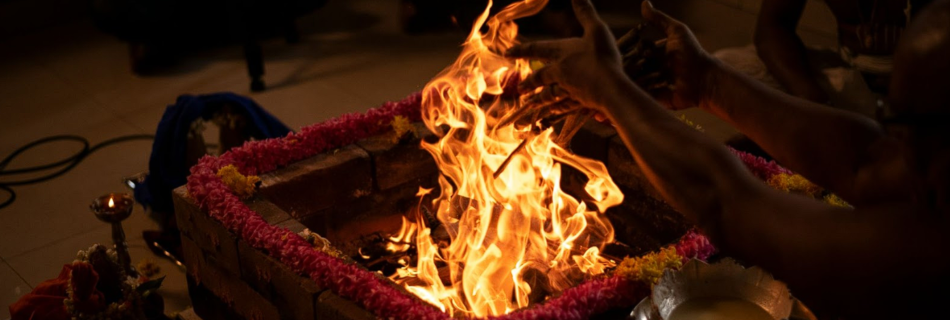
Havan, also referred to as homa or yagya, is an ancient fire ritual with deep roots in Hindu tradition. It is performed to invoke divine blessings, purify the environment, and elevate spiritual well-being. The offerings made during this ceremony, known as havan samagri, play a vital role in maintaining the ritualsтАЩ sanctity and spiritual essence. Dive deep into the blog to learn why they are the best choice for sacred fire ceremonies. Spiritual Significance of Havan Samagri Havan Samagri has the following spiritual significance: Environmental Benefits of Using Havan Samagri Besides spiritual significance, the havan samagri has some environmental significance. Importance of Using Pure Ingredients Purity is crucial in havan because it directly impacts the spiritual and environmental energy. Each ingredient in havan samagri is carefully selected for its symbolic and purifying properties, contributing to a sacred atmosphere. Therefore, using natural, pure ingredients not only honors tradition but also ensures a healthier, spiritually vibrant environment. Wrapping Up Havan is not just a religious ceremony but a deeply transformative ritual that offers spiritual, environmental, and psychological benefits. The purity and careful selection of havan samagri play a vital role in elevating the experience, ensuring both the environment and participants are cleansed and uplifted. By using natural ingredients, havan fosters a peaceful connection between the material and spiritual realms. Whether performed on special occasions or regularly, this ancient practice continues to enrich modern lives, blending tradition with contemporary living while maintaining its profound essence.

The Spiritual Benefits of Using Havan Samagri in Rituals and Poojas

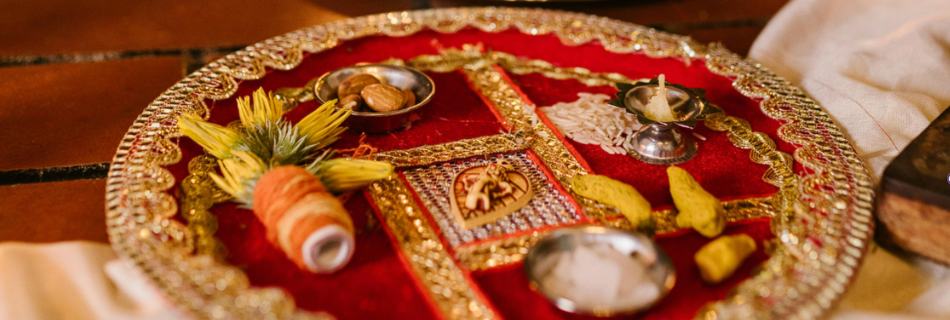
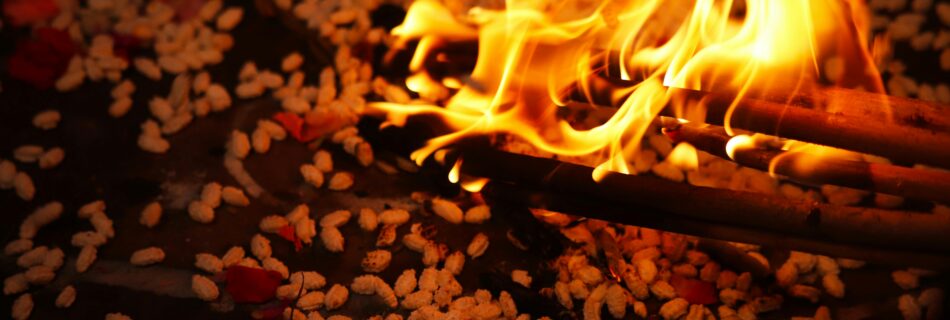
Havan is an essential ritual performed in Hinduism, Jainism, and Buddhism. Here, offerings are made into a sacred fire to purify the surroundings, seek divine blessings, and increase spiritual energy. However, the ritual is incomplete without Havan Samagri, a blend of natural substances and herbs, each carrying unique significance. These ingredients not only enhance the ritualтАЩs efficacy but also hold deep spiritual value. In this blog, we will explore the spiritual benefits of using samagri for havan and how each element contributes to the ceremony. Understanding Havan Samagri Havan Samagri is carefully selected for their spiritual, medicinal, and aromatic properties. Common components of pooja havan samagri include dry fruits like almonds and cashews, grains like rice and barley, herbs like neem and tulsi, and spices like turmeric and cloves. Additionally, mango wood, sandalwood chips, and cow ghee are essential ingredients. Each of these elements holds deep spiritual significance. Dry fruits and grains symbolize abundance, herbs and spices promote health and purification, and wood represents the divineтАЩs physical form. Together, they create a harmonious balance of energies during rituals and connect the material world with the spiritual realm. The proper use of these pooja samagri enhances the effectiveness of the havan, making it a powerful tool for spiritual upliftment and divine connection.  Spiritual Significance of Samagri for Havan Samagri for havan holds immense spiritual significance in the havan ritual. Detailed Analysis of Components in Havan Samagri Havan samagri comprises various essential components, each contributing unique significance to Indian rituals. Conclusion Havan Samagri is an essential element of the havan ritual. It combines natural ingredients with profound spiritual, medicinal, and environmental significance. Each component is thoughtfully chosen to enhance the ritualтАЩs effectiveness, inviting divine blessings, purifying the surroundings, and promoting holistic well-being. Understanding the importance of Havan Samagri allows practitioners to deepen their spiritual practices and experience the transformative power of this ancient Vedic tradition. Harmonising natural substances with sacred rituals fosters spiritual growth, environmental balance, and personal development, making it a cherished practice that continues to uplift and inspire individuals in their journeys.

Creating a Fragrant Path to Inner Peace: The Magic of Manokamna Agarbatti

In the fast-paced and often chaotic world we live in, finding moments of peace and tranquility can be a challenge. However, certain simple practices can help restore balance and harmony within us. One such practice is the use of incense sticks, particularly the Manokamna Agarbatti, a special fragrance designed to enhance mental clarity, peace, and spiritual well-being. The name Manokamna itself suggests the fulfillment of desires, as it comes from the Sanskrit words тАЬManoтАЭ (mind) and тАЬKamnaтАЭ (desire). This powerful incense has been cherished for centuries for its ability to calm the mind, promote relaxation, and create a peaceful environment for meditation, prayer, and daily rituals. In this article, weтАЩll explore the positive significance of Manokamna Agarbatti, how it can be used to invite peace into your life, and the various benefits it offers for both the body and mind. What is Manokamna Agarbatti? Manokamna Agarbatti is a type of incense stick that is specifically crafted to help fulfill oneтАЩs inner desires and bring emotional, physical, and spiritual well-being. Its unique blend of natural ingredients like sandalwood, jasmine, rose, and musk, combined with traditional scents from Indian herbs and flowers, creates a powerful aroma that soothes the mind and elevates the spirit. The fragrance of Manokamna Agarbatti is believed to create a conducive environment for meditation and prayer, making it ideal for use during spiritual practices. Whether lighting it during daily rituals, during a peaceful moment of reflection, or during meditation, the scent of this incense has the potential to guide the mind into a calm and focused state. Positive Significance of Manokamna Agarbatti Promotes Inner Peace and Calm: The soothing fragrance of Manokamna Agarbatti helps to reduce stress and anxiety, allowing individuals to feel more centered and peaceful. The aromas, when inhaled, trigger the release of endorphins, the bodyтАЩs natural “feel-good” hormones, which lead to feelings of happiness, calm, and tranquility. This can significantly improve oneтАЩs mental state, providing a sense of balance in the face of daily challenges. Enhances Focus and Clarity: Incense sticks, particularly the Manokamna Agarbatti, can help clear mental clutter and improve concentration. The gentle smoke and fragrance help to sharpen the mind, making it easier to focus during tasks that require attention, such as reading, studying, or working. For those who engage in meditation, the Manokamna Agarbatti creates the perfect atmosphere for mental clarity, deepening oneтАЩs ability to concentrate on the breath and inner thoughts. Fulfills Spiritual Desires: The name Manokamna, meaning the fulfillment of desires, emphasizes the spiritual significance of this incense. Many people light Manokamna Agarbatti as a prayer or offering, asking for guidance, protection, or the fulfillment of their wishes. Its calming and purifying effects help clear the mind, making it easier to connect with the Divine or higher consciousness during meditation or prayer. The act of lighting incense symbolizes the offering of oneтАЩs desires to God, creating a bridge between the material and spiritual realms. Cleansing the Environment: Just as incense is known to purify the mind, it is also believed to purify the environment. The rich, pleasant aroma of Manokamna Agarbatti helps to clear negative energy, replacing it with positive vibrations. It is widely used in homes, temples, and meditation spaces to create an atmosphere of positivity, peace, and protection. By clearing stagnant energy, it encourages the flow of fresh, vibrant energy throughout the space. Aids in Deep Meditation and Prayer: Manokamna Agarbatti is a perfect companion for those who practice regular meditation and prayer. The soft, continuous fragrance assists in calming the mind, allowing practitioners to go deeper into their practice. Whether you are meditating to reduce stress, seek divine guidance, or reflect upon your spiritual journey, lighting Manokamna Agarbatti adds an element of tranquility and focus to the space, enhancing the overall experience. Improves Mood and Emotional Well-Being: The fragrance of Manokamna Agarbatti has a significant effect on mood and emotional balance. Its soothing aroma can uplift the spirits, reduce feelings of depression, and create a peaceful atmosphere in the home. By promoting relaxation and reducing stress, it helps individuals feel more emotionally balanced and equipped to handle lifeтАЩs challenges with a positive mindset. How to Use Manokamna Agarbatti During Meditation: One of the most powerful ways to use Manokamna Agarbatti is during meditation. As you light the incense, sit in a comfortable, quiet space. Focus on your breath, and let the fragrance guide you into a deep, relaxed state. The calming aroma helps center your thoughts, allowing you to experience a sense of inner peace and connect more deeply with your spiritual practice. Inhale deeply, focusing on the scent, and allow yourself to be present in the moment. During Prayer or Pooja: For those who practice prayer or Pooja (a Hindu religious ritual), lighting Manokamna Agarbatti is a beautiful way to enhance the spiritual atmosphere. The act of lighting incense while praying is symbolic of offering oneтАЩs prayers and desires to God. The smoke and fragrance serve as an offering of devotion and purity, creating a divine presence during the ritual. At Home for Peaceful Ambiance: You can light Manokamna Agarbatti in your home to create a peaceful and positive environment. Whether you light it in the living room, bedroom, or prayer room, the fragrance will uplift the energy and create a harmonious ambiance. It is especially effective in the evening, when the dayтАЩs stresses have taken a toll, helping you unwind and relax before bed. In Yoga Practice: For yoga practitioners, Manokamna Agarbatti can enhance the overall experience. Light the incense before starting your practice, and allow the fragrance to guide you into a state of deep relaxation. As you move through your poses, the calming aroma will help you stay focused and present, improving both the physical and mental benefits of your practice. For Cleansing Spaces: To clear negative energy or stagnant air from a room, light a Manokamna Agarbatti in the corners of the space, allowing the smoke to fill the area. It is believed that the fragrance will help remove negativity …

Guru Nanak Jayanti

Guru Nanak Jayanti, also known as Gurpurab, is one of the most significant and widely celebrated festivals in Sikhism. This festival marks the birth of Guru Nanak Dev Ji, the founder of Sikhism, who is regarded as the first of the ten Sikh Gurus. Guru Nanak Jayanti is celebrated with great enthusiasm by millions of people, particularly in India and countries with a significant Sikh population. It usually falls in the month of Kartika (October-November), according to the lunar calendar, and is celebrated on the full moon day of the month. In this article, we will explore the historical and spiritual significance of Guru Nanak Jayanti, the ways it is celebrated, and its deep-rooted cultural importance. Who Was Guru Nanak Dev Ji? Guru Nanak Dev Ji was born in 1469 CE in the village of Rai Bhoi Ki Talwandi, now known as Nankana Sahib, in present-day Pakistan. From a young age, Guru Nanak displayed deep spiritual wisdom and a strong connection to the Divine. His teachings emphasized the oneness of God, equality of all people, and the importance of living a life of selfless service, humility, and devotion. Guru NanakтАЩs message was revolutionary for his time. He rejected the caste system, ritualistic practices, and religious dogma, advocating for a simple, truthful, and compassionate life. His philosophy was encapsulated in three fundamental principles: Naam Japna тАУ Recite GodтАЩs name and meditate on Him. Kirat Karni тАУ Earn an honest living through hard work and dedication. Vand Chakna тАУ Share your wealth and resources with others, especially those in need. Guru NanakтАЩs teachings led to the creation of the Sikh religion, which promotes universal brotherhood, peace, and equality. Guru Nanak Jayanti Celebrations Guru Nanak Jayanti is celebrated by Sikhs around the world with immense devotion and joy. The celebrations typically last for several days, starting with the recitation of sacred hymns from the Guru Granth Sahib, the holy scripture of Sikhism. 1. Prabhat Pheri (Early Morning Processions) The day begins with Prabhat Pheri, an early morning procession led by Sikhs carrying the Nishan Sahib, the Sikh flag. Devotees sing devotional hymns, particularly the Jaap Sahib, Aarti, and other compositions of Guru Nanak, along the streets. This procession is a symbol of Guru NanakтАЩs teachings, spreading the light of spirituality and peace. 2. Akhand Path (Continuous Reading of the Guru Granth Sahib) During Guru Nanak Jayanti, an Akhand Path is organized in Gurudwaras (Sikh temples) across the world. This is a continuous, uninterrupted reading of the Guru Granth Sahib from start to finish, often conducted for 48 hours or more. The reading is accompanied by Kirtan (devotional singing) and Simran (meditative chanting of GodтАЩs name). It is believed that this spiritual practice purifies the mind and soul, bringing the community together in devotion. 3. Langar (Community Meal) One of the most unique and revered traditions of Guru Nanak Jayanti is the Langar, a free community kitchen where people from all walks of life, regardless of their background or social status, are served food. The concept of Langar was introduced by Guru Nanak Dev Ji to teach equality, selflessness, and the importance of sharing. It is a manifestation of Guru NanakтАЩs teachings of Vand Chakna. Langar is prepared by volunteers and served to everyone without any discrimination. The act of serving Langar, whether cooking, cleaning, or distributing food, is considered an essential part of the celebration and reflects Guru NanakтАЩs message of service to humanity. 4. Nagar Kirtan (Procession with Music) Another hallmark of Guru Nanak Jayanti is the Nagar Kirtan, a grand procession where Sikh devotees carry the Guru Granth Sahib on a beautifully decorated float. The procession is accompanied by Kirtan (the singing of devotional hymns), Gatka (traditional Sikh martial arts), and Shabad Kirtan (spiritual singing). The procession moves through the streets, spreading Guru NanakтАЩs message of love, peace, and equality to the community. The Nagar Kirtan serves as a joyful, colorful reminder of the teachings of Guru Nanak and is often marked by celebrations of music, dance, and spiritual reflection. 5. Gurdwara Visits and Worship On the day of Guru Nanak Jayanti, devotees flock to Gurdwaras, the Sikh places of worship, to offer prayers and pay their respects. Sikhs begin the day by participating in the morning Nitnem, which includes the recitation of the morning prayers, followed by Ardas, a prayer of gratitude and request for blessings. Devotees also listen to the Katha (spiritual discourse) and participate in Kirtan throughout the day. The Gurdwaras are beautifully decorated with flowers and lights, and the atmosphere is filled with spiritual energy and devotion. Spiritual Significance of Guru Nanak Jayanti Guru Nanak Jayanti is more than just a celebration of the birth of Guru Nanak Dev Ji. It is an opportunity to reflect on his lifeтАЩs teachings and apply them to oneтАЩs own life. The day serves as a reminder to: Embrace the Oneness of God: Guru NanakтАЩs teachings emphasize the importance of worshiping the one true God, who is omnipresent, omnipotent, and formless. Sikhs believe that God transcends all religions and forms and can be experienced through devotion and service. Live a Life of Truth and Service: Guru Nanak taught that true happiness comes from living a life of honesty, integrity, and selfless service. Sikhs are encouraged to perform honest work, avoid materialism, and share their wealth with those in need. Practice Equality and Brotherhood: Guru Nanak rejected the caste system and any form of discrimination. He emphasized that all humans, regardless of their social, economic, or religious background, are equal in the eyes of God. Sikhs strive to uphold these values of equality and brotherhood in their daily lives. Follow the Path of Compassion: Guru NanakтАЩs message was always one of love, compassion, and peace. He taught that it is through love and understanding that we can overcome hatred, division, and intolerance in society. Guru Nanak Jayanti Around the World Guru Nanak Jayanti is celebrated globally by Sikhs, not only in India but also in countries with significant Sikh populations such …

The Sacred Importance of Sambrani Havan Cups for Puja and Positive Energy

Sambrani Havan cups play a vital role in Hindu rituals and puja ceremonies, offering a powerful way to enhance spiritual practices and bring positivity into your home. These small, fragrant cups filled with Sambrani (a resin derived from trees) release a soothing aroma when lit, creating an environment of peace and tranquility. The smoke from Sambrani is believed to purify the surroundings, eliminate negative energies, and invite positive vibrations, making it an essential part of any religious or spiritual setting. In puja rituals, the Sambrani Havan cup serves as an offering to the divine, helping to elevate the spiritual energy of the space. It is often used in conjunction with other sacred items like incense sticks, diyas, and flowers to create a sanctified atmosphere. The calming aroma of Sambrani helps in focusing the mind, promoting concentration during prayer or meditation, and aiding in emotional balance. Additionally, Sambrani is known for its health benefits, including purifying the air and clearing the respiratory system. Incorporating Sambrani Havan cups into your daily routine not only elevates your spiritual practices but also creates a space of harmony, peace, and positive energy in your home. Experience the transformative power of Sambrani and invite positivity into your life today!

Importance of Kartik Month

рдХрд╛рд░реНрддрд┐рдХ рдорд╛рд╕ рд╣рд┐рдВрджреВ рдкрдВрдЪрд╛рдВрдЧ рдХреЗ рдЕрдиреБрд╕рд╛рд░ рд╕рдмрд╕реЗ рдкрд╡рд┐рддреНрд░ рдорд╣реАрдирд╛ рдорд╛рдирд╛ рдЬрд╛рддрд╛ рд╣реИ рдФрд░ рдпрд╣ рднрдЧрд╡рд╛рди рд╢реНрд░реАрдХреГрд╖реНрдг рдХреЛ рдЕрддреНрдпрдВрдд рдкреНрд░рд┐рдп рд╣реИред рдЗрд╕реЗ“рджрд╛рдореЛрджрд░ рдорд╛рд╕” рднреА рдХрд╣рд╛ рдЬрд╛рддрд╛ рд╣реИ рдХреНрдпреЛрдВрдХрд┐ рдЗрд╕реА рдорд╛рд╕ рдореЗрдВ рднрдЧрд╡рд╛рди рд╢реНрд░реАрдХреГрд╖реНрдг рдиреЗ рдорд╛рддрд╛ рдпрд╢реЛрджрд╛ рд╕реЗ рдмрдВрдзрдХрд░ рдПрдХ рд╡рд┐рд╢реЗрд╖ рд▓реАрд▓рд╛ рд░рдЪреА рдереА, рдЬрд┐рд╕реЗ рджрд╛рдореЛрджрд░ рд▓реАрд▓рд╛ рдХрд╣рд╛ рдЬрд╛рддрд╛ рд╣реИред рдХрд╛рд░реНрддрд┐рдХ рдорд╛рд╕ рдФрд░ рднрдХреНрддрд┐ рд╕рд╛рдзрдирд╛ рдХрд╛рд░реНрддрд┐рдХ рдорд╛рд╕ рдХреЛ рднрдХреНрддрд┐, рддрдкрд╕реНрдпрд╛ рдФрд░ рд╕реЗрд╡рд╛ рдХрд╛ рдорд╣реАрдирд╛ рдХрд╣рд╛ рдЧрдпрд╛ рд╣реИред рдЗрд╕ рджреМрд░рд╛рди рднрдЧрд╡рд╛рди рдХреА рдкреВрдЬрд╛, рджреАрдкрджрд╛рди, рдФрд░ рд╡реНрд░рдд рдХрд╛ рд╡рд┐рд╢реЗрд╖ рдорд╣рддреНрд╡ рд╣реЛрддрд╛ рд╣реИред рдЬреЛ рднреА рднрдХреНрдд рдХрд╛рд░реНрддрд┐рдХ рдорд╛рд╕ рдореЗрдВ рд╕рдЪреНрдЪреЗ рдорди рд╕реЗ рднрдЧрд╡рд╛рди рдХреА рдЖрд░рд╛рдзрдирд╛ рдХрд░рддрд╛ рд╣реИ рдФрд░ рдЙрдирдХреЗ рдирд╛рдо рдХрд╛ рдХреАрд░реНрддрди рдХрд░рддрд╛ рд╣реИ, рдЙрд╕реЗ рдкрд╛рдкреЛрдВ рд╕реЗ рдореБрдХреНрддрд┐ рдФрд░ рд╡рд┐рд╢реЗрд╖ рдкреБрдгреНрдп рдХреА рдкреНрд░рд╛рдкреНрддрд┐ рд╣реЛрддреА рд╣реИред рдЗрд╕ рдорд╛рд╕ рдореЗрдВ рдХреА рдЬрд╛рдиреЗ рд╡рд╛рд▓реА рднрдХреНрддрд┐ рдХрд╛ рдкреНрд░рднрд╛рд╡ рдЕрддреНрдпрдзрд┐рдХ рд╢рдХреНрддрд┐рд╢рд╛рд▓реА рд╣реЛрддрд╛ рд╣реИред рдпрд╣рд╛рдВ рддрдХ рдХрд┐ рдмрд╣реБрдд рд╕рд╛рдзрд╛рд░рдг рд╕реЗ рд╕рд╛рдзрд╛рд░рдг рд╕реЗрд╡рд╛ рднреА рдЗрд╕ рдорд╣реАрдиреЗ рдореЗрдВ рднрдЧрд╡рд╛рди рдХреА рдХреГрдкрд╛ рдХреЛ рдкреНрд░рд╛рдкреНрдд рдХрд░рддреА рд╣реИред рдЗрд╕рд▓рд┐рдП, рдпрд╣ рдорд╣реАрдирд╛ рд╣рд░ рднрдХреНрдд рдХреЗ рд▓рд┐рдП рдПрдХ рдЕрд╡рд╕рд░ рд╣реИ рдХрд┐ рд╡реЗ рднрдЧрд╡рд╛рди рд╕реЗ рдирд┐рдХрдЯрддрд╛ рдкреНрд░рд╛рдкреНрдд рдХрд░реЗрдВред рднрдЧрд╡рд╛рди рд╢реНрд░реАрдХреГрд╖реНрдг рдХреА рдкреНрд░рдореБрдЦ рд▓реАрд▓рд╛рдПрдБ 1. рджрд╛рдореЛрджрд░ рд▓реАрд▓рд╛ рджрд╛рдореЛрджрд░ рд▓реАрд▓рд╛ рдХрд╛рд░реНрддрд┐рдХ рдорд╛рд╕ рдХреА рд╕рдмрд╕реЗ рдкреНрд░рд╕рд┐рджреНрдз рдШрдЯрдирд╛ рд╣реИред рдпрд╣ рдЙрд╕ рд╕рдордп рдХреА рд▓реАрд▓рд╛ рд╣реИ, рдЬрдм рдорд╛рддрд╛ рдпрд╢реЛрджрд╛ рдиреЗ рднрдЧрд╡рд╛рди рд╢реНрд░реАрдХреГрд╖реНрдг рдХреЛ рдордХреНрдЦрди рдЪреЛрд░реА рдХрд░рддреЗ рд╣реБрдП рдкрдХрдбрд╝рд╛ рдФрд░ рдЙрдиреНрд╣реЗрдВ рдПрдХ рд░рд╕реНрд╕реА рд╕реЗ рдКрдЦрд▓ (рдореЛрд░реНрдЯрд╛рд░) рд╕реЗ рдмрд╛рдВрдз рджрд┐рдпрд╛ред 2. рдЧреЛрд╡рд░реНрдзрди рд▓реАрд▓рд╛ рдЧреЛрд╡рд░реНрдзрди рд▓реАрд▓рд╛ рдХрд╛рд░реНрддрд┐рдХ рдорд╛рд╕ рдореЗрдВ рдордирд╛рдИ рдЬрд╛рддреА рд╣реИред рдЗрд╕ рд▓реАрд▓рд╛ рдореЗрдВ рд╢реНрд░реАрдХреГрд╖реНрдг рдиреЗ рдЗрдВрджреНрд░рджреЗрд╡ рдХреЗ рдШрдордВрдб рдХреЛ рддреЛрдбрд╝рдиреЗ рдХреЗ рд▓рд┐рдП рдЧреЛрд╡рд░реНрдзрди рдкрд░реНрд╡рдд рдХреЛ рдЕрдкрдиреА рдЫреЛрдЯреА рдЙрдВрдЧрд▓реА рдкрд░ рдЙрдард╛ рд▓рд┐рдпрд╛ рдФрд░ рдЧреЛрдХреБрд▓рд╡рд╛рд╕рд┐рдпреЛрдВ рдХреЛ рд╕рд╛рдд рджрд┐рдиреЛрдВ рддрдХ рд╡рд░реНрд╖рд╛ рд╕реЗ рдмрдЪрд╛рдпрд╛ред 3. рдмрд╣реБрд▓рд╛рд╖реНрдЯрдореА рдмрд╣реБрд▓рд╛рд╖реНрдЯрдореА рдХреЛ рд░рд╛рдзрд╛рдХреБрдВрдб рдкреНрд░рдХрдЯреЛрддреНрд╕рд╡ рдХреЗ рд░реВрдк рдореЗрдВ рдордирд╛рдпрд╛ рдЬрд╛рддрд╛ рд╣реИред рдпрд╣ рд╡рд╣ рджрд┐рди рд╣реИ рдЬрдм рд╢реНрд░реАрдХреГрд╖реНрдг рдФрд░ рд░рд╛рдзрд╛рд░рд╛рдиреА рдиреЗ рд░рд╛рдзрд╛рдХреБрдВрдб рдФрд░ рд╢реНрдпрд╛рдордХреБрдВрдб рдХрд╛ рдкреНрд░рд╛рдХрдЯреНрдп рдХрд┐рдпрд╛ рдерд╛ред рджреАрдкрджрд╛рди рдХрд╛ рдорд╣рддреНрд╡ рджреАрдкрджрд╛рди рдХрд╛рд░реНрддрд┐рдХ рдорд╛рд╕ рдХрд╛ рдПрдХ рдЕрддреНрдпрдВрдд рдорд╣рддреНрд╡рдкреВрд░реНрдг рдЕрдиреБрд╖реНрдард╛рди рд╣реИред рдЗрд╕ рдорд╣реАрдиреЗ рдореЗрдВ рднрдЧрд╡рд╛рди рд╡рд┐рд╖реНрдгреБ рдФрд░ рд╢реНрд░реАрдХреГрд╖реНрдг рдХреЛ рджреАрдк рдЕрд░реНрдкрд┐рдд рдХрд░рдирд╛ рд╡рд┐рд╢реЗрд╖ рдкреБрдгреНрдпрджрд╛рдпреА рдорд╛рдирд╛ рдЬрд╛рддрд╛ рд╣реИред рджрд╛рдореЛрджрд░ рдЕрд╖реНрдЯрдХрдо рдХрд╛ рдЧрд╛рди рдХрд░рддреЗ рд╣реБрдП рднрдЧрд╡рд╛рди рдХреЛ рджреАрдк рдЕрд░реНрдкрд┐рдд рдХрд░рдиреЗ рдХреА рдкрд░рдВрдкрд░рд╛ рд╣реИред рдЗрд╕ рд╕реНрддреЛрддреНрд░ рдореЗрдВ рднрдЧрд╡рд╛рди рдХреА рд▓реАрд▓рд╛ рдХрд╛ рд╡рд░реНрдгрди рдХрд┐рдпрд╛ рдЧрдпрд╛ рд╣реИ рдФрд░ рдЗрд╕реЗ рд╕реБрдирдХрд░ рднрдЧрд╡рд╛рди рдЕрддреНрдпрдВрдд рдкреНрд░рд╕рдиреНрди рд╣реЛрддреЗ рд╣реИрдВред рдХрд╛рд░реНрддрд┐рдХ рдорд╛рд╕ рдореЗрдВ рдкреВрдЬрди рд╡рд┐рдзрд┐ рдФрд░ рдирд┐рдпрдо рдХрд╛рд░реНрддрд┐рдХ рдорд╛рд╕ рдореЗрдВ рд╡рд┐рд╢реЗрд╖ рд░реВрдк рд╕реЗ рдирд┐рдореНрдирд▓рд┐рдЦрд┐рдд рдирд┐рдпрдореЛрдВ рдХрд╛ рдкрд╛рд▓рди рдХрд┐рдпрд╛ рдЬрд╛рддрд╛ рд╣реИ: рдХрд╛рд░реНрддрд┐рдХ рдорд╛рд╕ рдХрд╛ рдЖрдзреНрдпрд╛рддреНрдорд┐рдХ рдорд╣рддреНрд╡ рдХрд╛рд░реНрддрд┐рдХ рдорд╛рд╕ рд╣рдореЗрдВ рдпрд╣ рдЕрд╡рд╕рд░ рджреЗрддрд╛ рд╣реИ рдХрд┐ рд╣рдо рдЕрдкрдиреЗ рдЬреАрд╡рди рдХреЛ рд╢реБрджреНрдз рдФрд░ рдкрд╡рд┐рддреНрд░ рдмрдирд╛рдПрдВред рдЗрд╕ рдорд╛рд╕ рдореЗрдВ рдХрд┐рдП рдЧрдП рдЫреЛрдЯреЗ рд╕реЗ рдЫреЛрдЯреЗ рдХрд╛рд░реНрдп рдХрд╛ рднреА рдмрд╣реБрдд рдмрдбрд╝рд╛ рдлрд▓ рдкреНрд░рд╛рдкреНрдд рд╣реЛрддрд╛ рд╣реИред рдирд┐рд╖реНрдХрд░реНрд╖ рдХрд╛рд░реНрддрд┐рдХ рдорд╛рд╕ рднрдЧрд╡рд╛рди рд╢реНрд░реАрдХреГрд╖реНрдг рдХреЗ рдкреНрд░рддрд┐ рднрдХреНрддрд┐ рдФрд░ рдкреНрд░реЗрдо рдХреЛ рдкреНрд░рдХрдЯ рдХрд░рдиреЗ рдХрд╛ рдПрдХ рдЕрдирдореЛрд▓ рдЕрд╡рд╕рд░ рд╣реИред рдЗрд╕ рдорд╣реАрдиреЗ рдореЗрдВ рджрд╛рдореЛрджрд░ рд▓реАрд▓рд╛, рдЧреЛрд╡рд░реНрдзрди рдкреВрдЬрд╛, рдФрд░ рджреАрдкрджрд╛рди рдХреЗ рдорд╛рдзреНрдпрдо рд╕реЗ рд╣рдо рдЕрдкрдиреЗ рдЬреАрд╡рди рдХреЛ рд╢реБрджреНрдз рдФрд░ рдкрд╡рд┐рддреНрд░ рдмрдирд╛ рд╕рдХрддреЗ рд╣реИрдВред рд╣рд░реЗ рдХреГрд╖реНрдг рдордВрддреНрд░ рдХрд╛ рдЬрд╛рдк рдФрд░ рднрдЧрд╡рд╛рди рдХреЗ рдЪрд░рдгреЛрдВ рдореЗрдВ рджреАрдкрджрд╛рди рдХрд░рдиреЗ рд╕реЗ рдЬреАрд╡рди рдХреЗ рд╕рднреА рдХрд╖реНрдЯреЛрдВ рдХрд╛ рдирд┐рд╡рд╛рд░рдг рд╣реЛрддрд╛ рд╣реИ рдФрд░ рд╣рдореЗрдВ рдЖрдВрддрд░рд┐рдХ рд╢рд╛рдВрддрд┐ рдФрд░ рдЖрдирдВрдж рдХреА рдкреНрд░рд╛рдкреНрддрд┐ рд╣реЛрддреА рд╣реИред рдЗрд╕рд▓рд┐рдП, рдЗрд╕ рдкрд╡рд┐рддреНрд░ рдорд╛рд╕ рдореЗрдВ рд╕рднреА рднрдХреНрддреЛрдВ рдХреЛ рдЪрд╛рд╣рд┐рдП рдХрд┐ рд╡реЗ рдкреВрд░реЗ рдорди рд╕реЗ рднрдЧрд╡рд╛рди рдХреА рд╕реЗрд╡рд╛ рдФрд░ рднрдХреНрддрд┐ рдореЗрдВ рд▓реАрди рд╣реЛрдВред “рд╣рд░реЗ рдХреГрд╖реНрдгрд╛ рд╣рд░реЗ рдХреГрд╖реНрдгрд╛, рдХреГрд╖реНрдгрд╛ рдХреГрд╖реНрдгрд╛ рд╣рд░реЗ рд╣рд░реЗред рд╣рд░реЗ рд░рд╛рдо рд╣рд░реЗ рд░рд╛рдо, рд░рд╛рдо рд░рд╛рдо рд╣рд░реЗ рд╣рд░реЗред” рдЗрд╕ рдордВрддреНрд░ рдХрд╛ рдирд┐рд░рдВрддрд░ рдЬрдк рдХрд░рддреЗ рд╣реБрдП рдЗрд╕ рдХрд╛рд░реНрддрд┐рдХ рдорд╛рд╕ рдореЗрдВ рднрдЧрд╡рд╛рди рдХреЛ рджреАрдк рдЕрд░реНрдкрд┐рдд рдХрд░реЗрдВ рдФрд░ рджрд╛рдореЛрджрд░ рдЕрд╖реНрдЯрдХрдо рдХрд╛ рдЧрд╛рди рдХрд░реЗрдВред рднрдЧрд╡рд╛рди рдХреА рдХреГрдкрд╛ рдЖрдк рд╕рднреА рдкрд░ рдмрдиреА рд░рд╣реЗ рдФрд░ рдЖрдкрдХреЗ рдЬреАрд╡рди рдореЗрдВ рдЖрдирдВрдж рдФрд░ рд╢рд╛рдВрддрд┐ рдХрд╛ рд╕рдВрдЪрд╛рд░ рд╣реЛ!