Diwali Traditions and Puja Rituals
A warm overview of rituals, puja essentials, and preparation ideas for festive worship at home.
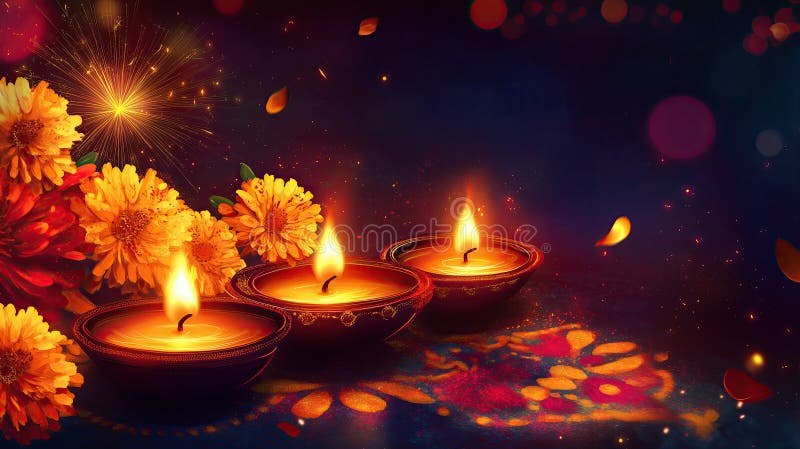
Diwali—the Festival of Lights—arrives with sparkle, joy, and profound spiritual significance. More than just fireworks and sweets, Diwali celebrates the triumph of light over darkness, knowledge over ignorance, and good over evil. Central to the celebration is Lakshmi Puja, invoking prosperity and blessings for the year ahead.
The Spiritual Essence of Diwali
Diwali traditions trace back to ancient times when people welcomed Lord Rama's return to Ayodhya after fourteen years in exile, lighting rows of diyas to guide his way. Today, each of Diwali's five days carries its own symbolism:
- Dhanteras – Auspicious beginning, honoring wealth and health
- Naraka Chaturdashi – Victory over adversity
- Lakshmi Puja (main Diwali) – Worship of prosperity and abundance
- Govardhan Puja – Celebrating nature's bounty
- Bhai Dooj – Honoring sibling bonds
Preparing Your Home for Diwali Puja
A beautiful, auspicious puja setup elevates the festive spirit:
Cleaning and Decoration
Weeks before Diwali, homes undergo a thorough cleaning—symbolizing the removal of negativity and inviting positive energy. Decorate with:
- Rangoli patterns at the entrance using colored powder or flowers
- Fairy lights – Twinkling lights create magical ambiance
- Diya rows – Line doorways, windows, and balconies
- Marigold flowers – Traditional garlands and torans
- Toran – Decorative doorway hangings
The Puja Thali Essentials
A traditional puja thali (plate) contains these items:
- Kalash – Pot filled with water, topped with mango leaves and coconut, representing abundance
- Laxmi idol or image – The focal point of worship
- Ghee diya – Pure flame representing divine light
- Incense sticks – Fragrant offerings that purify space
- Camphor – For aarti, symbolizing complete self-offering
- Flowers – Particularly marigold and lotus
- Fruits and sweets – Naivedya offering
- Kumkum and rice – For tilak and auspicious marks
- Coconuts – Broken as an offering, symbolizing ego dissolution
- Betel leaves and nuts – Traditional offerings
Lakshmi Puja Rituals: Step-by-Step
1. Setting the Stage (Evening)
Diwali puja is performed during the Pradosh Kaal—the auspicious period after sunset. Clean the puja area and place items neatly. Light the main diya with ghee, and ring the bell to invoke divine presence.
2. Invoking Lord Ganesha
Every puja begins with Lord Ganesha, remover of obstacles. Offer modak (sweet), flowers, and light a ghee lamp. Pray for smooth, obstacle-free worship.
3. Welcoming Goddess Lakshmi
With devotion, place the Lakshmi idol on theKalash or decorated seat. Sprinkle rice and flowers while chanting Lakshmi mantras. Many recite the Lakshmi Ashtottara Shatanamavali (108 names of Lakshmi).
4. The Offering Ceremony
Offer each item with devotion:
- Gangajal – Purification of the goddess
- Vastram – New cloth or flower garland
- Gandh – Sandalwood paste tilak
- Pushpa – Flowers, especially white or yellow
- Dhoop – Incense for fragrance and purification
- Deep – Ghee lamp for light
- Naivedya – Sweets, fruits, dry fruits, and special Diwali dishes
5. Camphor Aarti
The most beautiful moment—light camphor on a dedicated plate and wave it in front of the deities while singing aarti. Devotees then cup their hands over the flame and touch their eyes and head, receiving blessings.
6. Distribution of Prasad
The offered sweets become prasad—blessed food shared among family members. Eating prasad is considered sacred and completes the puja experience.
7. Lighting the Home
After puja, light diyas all throughout the home—rooms, verandahs, courtyard, and entrance. Each flame symbolizes prosperity and dispels darkness.
Essential Puja Items Checklist
Prepare these items before Diwali:
- Ghee and oil lamps – Regular and decorative diyas
- Pure ghee – For lamps and cooking
- Camphor tablets – Separate from regular incense
- Incense sticks – Natural floral dhoop for purification
- Fresh flowers and marigold garlands
- Fruits and traditional sweets
- New cloth – For deity decoration
- Puja thali set – Decorative plate
- Matchbox or lighter
- Kumkum, rice, and sandalwood paste
Post-Puja Celebrations
After Lakshmi Puja, the celebration continues:
- Family gathering – Blessings from elders, sharing sweets
- Firecrackers (optional) – Symbolic of warding off negativity
- Lighting diyas – All-night illumination
- Delicious feast – Traditional Diwali dishes and mithai
- New clothes – Wearing fresh, vibrant attire
- Visiting relatives – Sharing sweets and goodwill
Diwali Puja Tips for Modern Homes
- Start early – Begin preparations a week before
- Involve children – Teach traditions through participation
- Go eco-friendly – Use clay diyas, avoid plastic decorations
- Safety first – Keep fire extinguisher nearby, ensure ventilation
- Share the joy – Distribute sweets to neighbors and service workers
New Beginnings and Prosperity
Diwali marks new beginnings—many businesses open new account books (Chopda Pujan), homes get renovated, and people settle debts. The festival reminds us that with light comes opportunity, and with devotion comes abundance.
As you prepare for Diwali, remember that the greatest offering is a sincere heart. The rituals connect you to centuries of tradition, but it's your personal devotion that makes them meaningful.
"May the light of Diwali illuminate not just your home, but your heart—filling it with wisdom, compassion, and the courage to choose light in every situation."
Conclusion: The Eternal Festival
Diwali traditions and puja rituals bind us to our roots while illuminating the path forward. Each diya lit, each prayer offered, each sweet shared carries timeless wisdom.
At Manokamna, we're honored to provide festival puja essentials—from pure camphor to fragrant dhoop—supporting your sacred celebrations year after year.
Wishing you a Diwali filled with prosperity, peace, and divine light.