Creating a Sacred Home Altar
Practical tips for creating a devotional corner that feels intentional, beautiful, and easy to maintain.
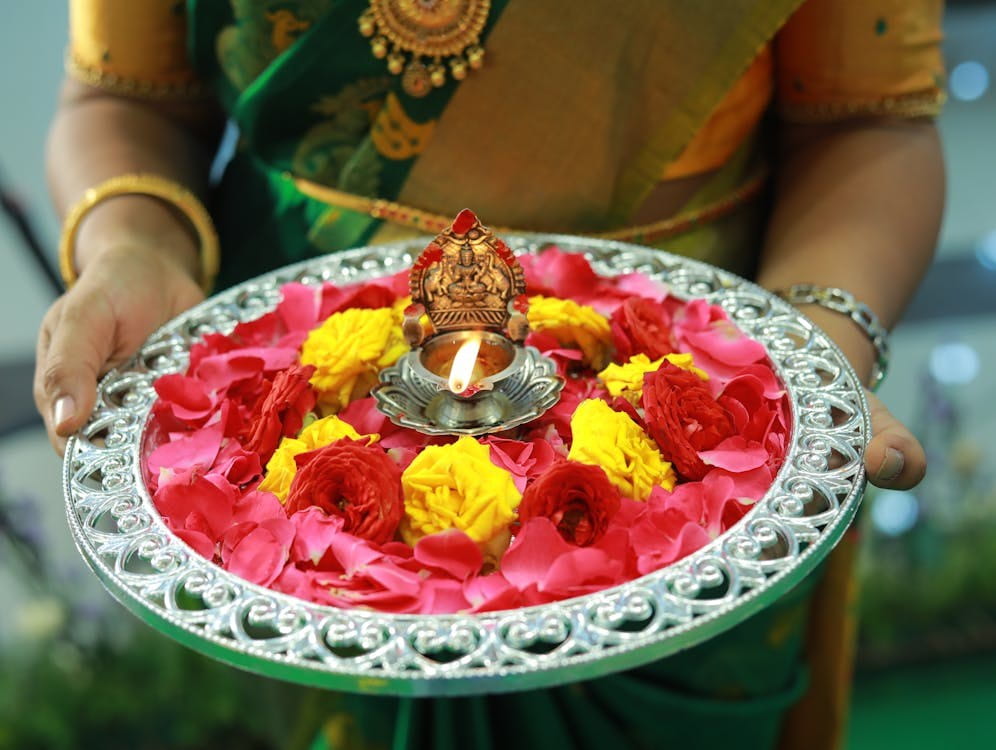
In the hustle of modern life, having a sacred space at home becomes more than a spiritual practice—it's a necessity. A home altar is not just a decorative corner; it's a tangible anchor for your devotion, a daily reminder of the divine presence in your midst. Here's how to create a sacred space that's both beautiful and sustainable.
Choosing the Right Location
The ideal location balances accessibility with respect. Consider these guidelines:
Quiet and Undisturbed
Select a corner that experiences minimal daily traffic. A bedroom shelf, living room corner, or dedicated puja room works well. The space should feel peaceful—away from noise, distractions, and areas associated with stress.
East-Facing Preference
Traditional Vastu and spiritual practices recommend placing your altar in the east or northeast direction—corner of the home that receives the first rays of sunrise. This orientation symbolizes enlightenment and new beginnings.
Height and Placement
Raise your altar slightly off the floor—on a shelf, platform, or table. This elevation conveys respect and keeps items clean from dust and foot traffic. Ensure you can comfortably stand or sit while performing puja.
Essential Elements of a Home Altar
1. The Deity or Sacred Image
At the heart of your altar is the representation of the divine—whether a murti (idol), framed picture, or symbol like a shiva lingam or Sri Yantra. Choose an image that resonates with your spiritual practice. Size should fit proportionally with your space—neither overwhelming nor insignificant.
2. A Clean Base and Covering
Place a clean cloth or asana (mat) in front of the deity—traditionally red, orange, or white. This creates a sacred boundary and shows respect. Consider a small raised platform or altar table to define the space clearly.
3. Lighting: The Diya or Candle
Light is central to Hindu worship—it represents knowledge dispelling darkness. Include:
- Oil lamp (diya) – Traditional, with cotton wick and ghee or oil
- Candle – Convenient alternative, especially for beginners
- Tea-light holder – Safe, contained option with beautiful designs
Keep matches or lighters nearby but stored safely. Ensure the flame is stable and away from flammable items.
4. Incense and Fragrance
The sense of smell is deeply connected to memory and emotion. Aromatic elements create an immediate sacred atmosphere:
- Dhoop sticks or cones – Natural varieties like sandalwood or jasmine
- Incense holder – Securely catches ash
- Sambrani cups – Traditional benzoin resin for purifying smoke
Choose fragrances that calm and uplift. Avoid overly synthetic or overpowering scents.
5. Water for Purification
Keep a small vessel of fresh water on your altar. Water symbolizes purity, and offering it to the deity represents cleansing oneself before worship. Change the water daily and use it later to bless plants or your threshold.
6. Flower Offerings
Fresh flowers are the simplest yet most powerful offering. Even a single marigold or basil (tulsi) leaf speaks volumes. Choose flowers that:
- Aren't strongly fragrant if pollen allergies are a concern
- Can be offered fresh and removed once wilted
- Hold traditional significance (marigold, lotus, jasmine, roses)
7. Bell or Small Ghanti
A small bell on your altar serves both practical and symbolic purposes—the sound purifies the space and signals the beginning of worship. Its ring manifests the presence of divine sound (nada).
8. Aarti Lamp
For evening prayers or special occasions, include a separate aarti lamp—traditionally with camphor or ghee. This moving flame represents the highest form of devotion.
Building Your Altar Gradually
You don't need everything at once. Start minimal and expand over time:
Week 1: Deity image, small diya, and water pot
Week 2: Add incense and a flower base
Week 3: Include a bell or small conch
Week 4: Add cloth covering and decorative items
This gradual approach allows your practice to grow organically and prevents overwhelm. Each addition becomes meaningful rather than decorative.
Maintenance: Keeping the Space Sacred
A sacred space requires regular care:
- Daily wipe – Dust surfaces and remove spent ashes
- Weekly deep clean – Wash items, change cloth, organize
- Fresh offerings – Replace water and flowers daily
- Mindful handling – Treat all items with reverence
Consistent maintenance keeps the energy vibrant and your connection strong.
Personalizing Your Altar
While tradition provides a framework, personal touches make your altar yours:
- Family photos – Place pictures of ancestors or gurus
- Sacred texts – A small copy of the Bhagavad Gita or other scripture
- Personal mementos – Items from special pilgrimages or ceremonies
- crystals or stones – If they hold spiritual meaning for you
Creating the Atmosphere
Consider the sensory environment around your altar:
- Ambient lighting – Warm, soft lighting enhances the mood
- Background music – Gentle mantras or instrumental music
- Air circulation – Fresh air, but not drafty
- Minimal clutter – Keep only what belongs on or near the altar
Adapting for Small Spaces
Even in apartments or tiny homes, you can create meaningful altars:
- Wall-mounted shelf with small images
- Portable altar box that opens to reveal space
- Multipurpose furniture—altar by day, storage by night
- Balcony or window corner with weather-protected items
It's the quality of your attention and devotion that sanctifies the space—not its size.
"The divine does not require grand architecture—only an open heart. A small shelf with sincere devotion becomes a temple."
Altar as a Living Practice
Your home altar is not static—it evolves with your spiritual journey. Revisit it periodically:
- Update offerings with the seasons
- Change arrangements during festivals
- Add new items that deepen your practice
- Remove items that no longer resonate
Let it remain a reflection of your inner world—dynamic, growing, and alive with devotion.
Your Sacred Journey Begins
Creating a home altar is one of the most intimate spiritual practices. It's a declaration to yourself and the universe that you value sacred space in daily life. Start small, stay consistent, and let your devotion fill the space.
At Manokamna, we offer carefully curated puja essentials to enhance your altar experience—each item crafted with devotion to support your sacred moments.
May your home become a temple. May your corner become a gateway to the divine.